

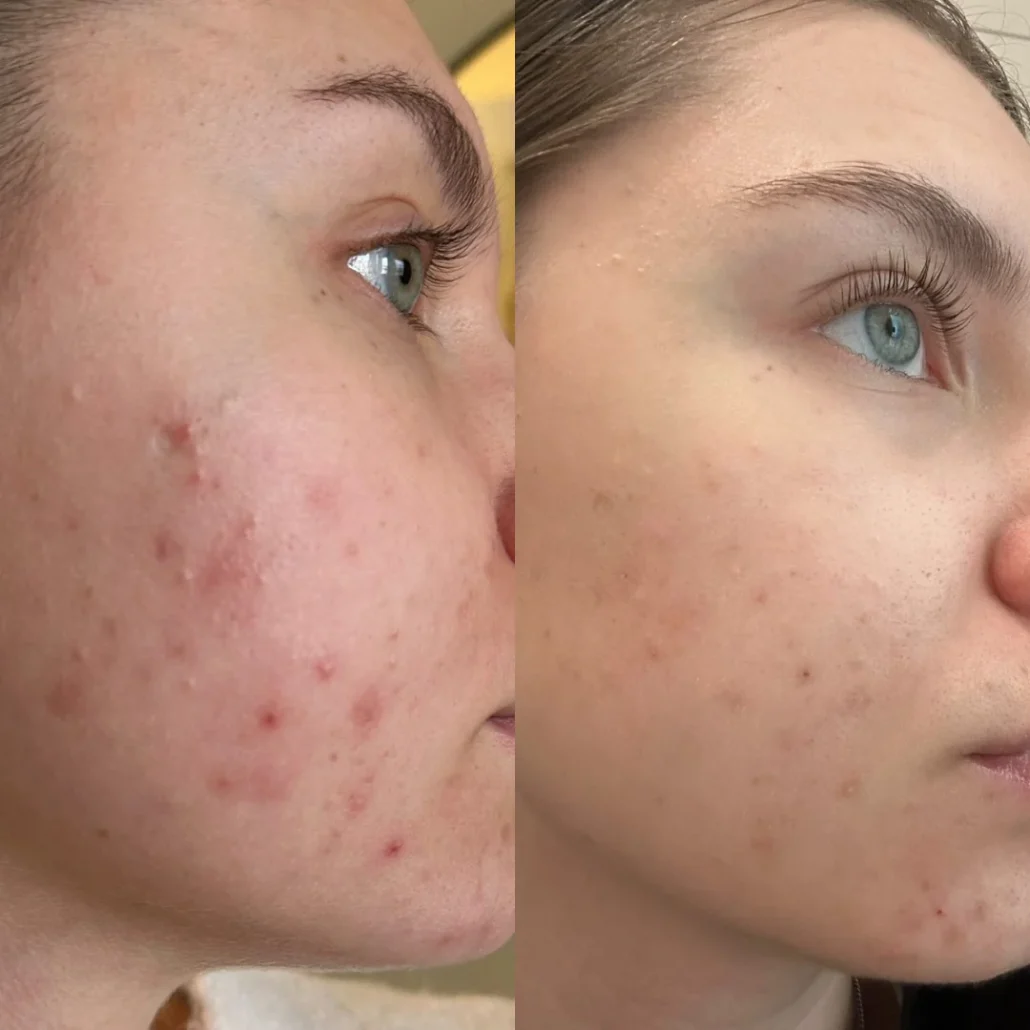
Finally got your acne under control, but those stubborn dark spots are still there? You’re not alone. Post-acne pigmentation is one of the most common concerns after acne heals and can make the skin appear uneven even when active breakouts have stopped.
At Skin Science Clinic, Nerul, Navi Mumbai, our dermatologists Dr. Kiran Chahal and Dr. Dhananjay Malage assess the type and depth of pigmentation before recommending a personalized treatment plan. From medical skincare and chemical peels to advanced laser procedures, the right combination can help gradually improve post-acne marks and restore a more even complexion.
What Is Post-Acne Pigmentation?
The dark brown, greyish, or reddish marks left behind after an acne lesion heals are commonly referred to as post-inflammatory hyperpigmentation (PIH) or post-acne marks.
When acne causes inflammation, the skin may produce excess melanin as part of its healing response. This can leave a darker patch behind even after the pimple has completely disappeared.
Post-acne pigmentation is particularly common in Indian skin tones and may become more noticeable after sun exposure.
Is It Acne Scarring or Pigmentation?
This is an important distinction.
Post-acne pigmentation is a change in skin colour without a change in the skin’s surface texture. These marks can gradually fade with appropriate treatment.
Acne scars, on the other hand, involve a change in skin texture and may appear as pits, depressions, or raised scars.
“Not every mark left after acne is a scar. Identifying whether a patient has pigmentation, redness, textural scars, or a combination of these is essential before choosing a treatment,” explains Dr. Kiran Chahal, dermatologist and laser specialist at Skin Science Clinic.
What Causes Dark Spots After Acne?
Several factors can contribute to persistent post-acne pigmentation:
→ Inflammation from acne
→ Picking or squeezing pimples
→ Sun exposure
→ Delayed acne treatment
→ Repeated acne breakouts
→ Irritating skincare products
→ Incorrect use of exfoliating acids or active ingredients
→ Individual tendency to develop pigmentation
This is why treating the active acne and the pigmentation together is often important.
Post-Acne Pigmentation Treatment in Navi Mumbai
There is no single treatment that works for every type of pigmentation. At Skin Science Clinic, treatment is selected according to your skin type, pigmentation, severity, and whether active acne is still present.
Medical Skincare
Dermatologist-prescribed creams and serums may help reduce excess pigmentation and prevent new marks from developing. Ingredients may include retinoids, azelaic acid, vitamin C, niacinamide, or other pigment-modulating agents depending on individual suitability.
Chemical Peels
Medical-grade chemical peels can help improve uneven pigmentation and accelerate skin renewal. The type and strength of peel are selected according to the patient’s skin condition and pigmentation.
Laser Treatment
For selected patients, dermatological laser treatments may be considered to address persistent pigmentation. Appropriate laser selection and settings are particularly important for Indian skin to reduce the risk of irritation or worsening pigmentation.
Sunscreen
Daily broad-spectrum sunscreen is one of the most important parts of pigmentation treatment. UV exposure can make post-acne marks darker and prolong their persistence.
Treating Active Acne
If new pimples continue to appear, new pigmentation can keep developing. Therefore, controlling active acne is an essential part of preventing recurrent post-acne marks.
Can Post-Acne Pigmentation Be Completely Removed?
Post-acne pigmentation can often be significantly improved, but the response varies from person to person.
The depth of pigmentation, skin type, duration of the marks, ongoing acne, sun exposure, skincare routine, and treatment adherence can all influence the outcome.
“Pigmentation treatment requires patience. Our aim is not simply to lighten a mark quickly, but to improve pigmentation while protecting the skin barrier and reducing the chances of recurrence,” says Dr. Dhananjay Malage, dermatologist at Skin Science Clinic.
Why Choose Skin Science Clinic for Pigmentation Treatment in Navi Mumbai?
At Skin Science Clinic, treatment begins with a detailed dermatological assessment rather than immediately recommending a procedure.
Patients benefit from:
→ Dermatologist-led diagnosis
→ Customized pigmentation treatment
→ Medical skincare protocols
→ Chemical peel treatments
→ Advanced laser procedures when appropriate
→ Active acne management
→ Sun-protection guidance
→ Long-term follow-up
Our goal is to achieve gradual, natural-looking improvement while maintaining healthy skin.
Don’t Let Acne Marks Become a Permanent Concern
If your acne has disappeared but dark spots remain, don’t keep experimenting with random creams or home remedies. Persistent pigmentation can sometimes worsen with inappropriate treatments, particularly in sensitive or darker skin tones.
A consultation with a dermatologist can help determine whether you are dealing with post-acne pigmentation, acne scars, redness, or another pigmentation disorder and identify the most appropriate treatment.
If you are looking for post-acne pigmentation treatment in Navi Mumbai, pigmentation treatment in Nerul, acne mark treatment in Navi Mumbai, or an experienced dermatologist for pigmentation, Skin Science Clinic offers personalized medical and procedural treatment under the guidance of Dr. Kiran Chahal and Dr. Dhananjay Malage.
7 Frequently Asked Questions About Post-Acne Pigmentation
1. How can I remove dark spots after acne?
Treatment depends on the type and severity of pigmentation. Dermatologist-prescribed skincare, chemical peels, sunscreen, and selected laser treatments may be used individually or in combination.
2. How long does post-acne pigmentation take to fade?
Some marks fade naturally over time, while persistent pigmentation may take several months or longer. Treatment can help accelerate improvement in appropriate patients.
3. Can I use home remedies for acne marks?
Home remedies such as lemon juice or harsh scrubs can irritate the skin and potentially worsen pigmentation. Dermatologist-guided skincare is generally safer and more predictable.
4. Is laser treatment safe for post-acne pigmentation?
Laser treatment can be useful for selected patients, but the appropriate device and settings depend on skin type and the nature of pigmentation. A dermatologist should assess suitability before treatment.
5. Can chemical peels remove acne marks?
Chemical peels can help improve certain types of post-acne pigmentation by promoting controlled exfoliation and skin renewal. The appropriate peel depends on your skin and pigmentation.
6. Why do my acne marks become darker after going out in the sun?
UV exposure can stimulate melanin production and make post-inflammatory pigmentation more noticeable. Consistent sunscreen use is therefore an important part of treatment.
7. Can I treat acne and pigmentation at the same time?
Yes. In many patients, controlling active acne while simultaneously managing pigmentation is important to prevent the formation of new dark marks.